

Here’s a short cheat list of which colors historically match a specific business type:
Blue – Trust, security, professionalism. Ideal for finance, tech, healthcare, corporate services, and education.
Green – Growth, nature, health, and sustainability. Wellness brands, eco-friendly products, landscaping, or organic food businesses.
Red – Energy, passion, urgency. Common in restaurants, sports brands, entertainment, and sales-driven businesses.
Yellow – Optimism, warmth, friendliness. Works well for hospitality, children’s products, and creative or casual retail brands.
Orange – Enthusiasm, creativity, affordability. Often used in e-commerce, startups, and lifestyle brands targeting younger audiences.
Purple – Luxury, sophistication, creativity. Strong choice for beauty, fashion, high-end services, and creative agencies.
Black & White – Minimalist, high-contrast professionalism. Fits luxury products, modern tech, design studios, and premium services.
Brown & Earth Tones – Reliability, comfort, tradition. Coffee brands, rustic restaurants, craft goods, and handmade product businesses.
Keep in mind that this is just a common color pattern used by business types for centuries, but it does not mean it’s a rule. In fact, the more original and unique, the better. Still, on a subconscious level, potential customers always associate colors with business types, so use that to your brand’s advantage.
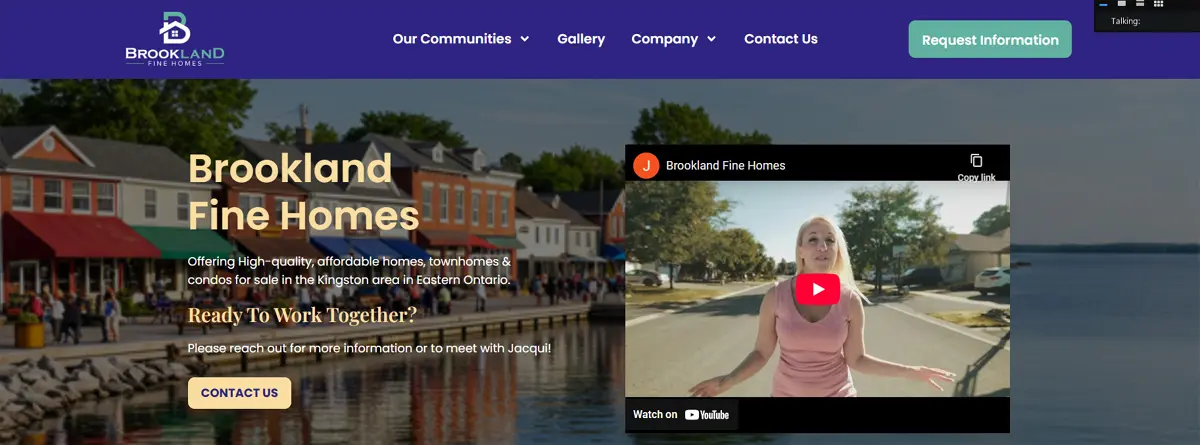
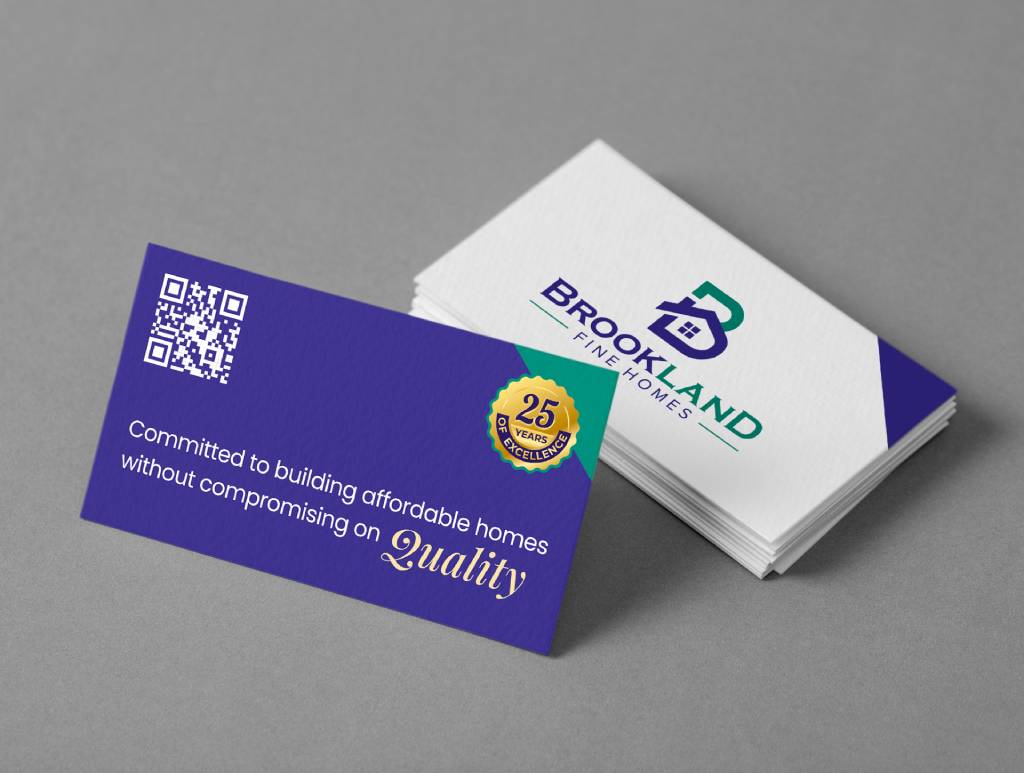
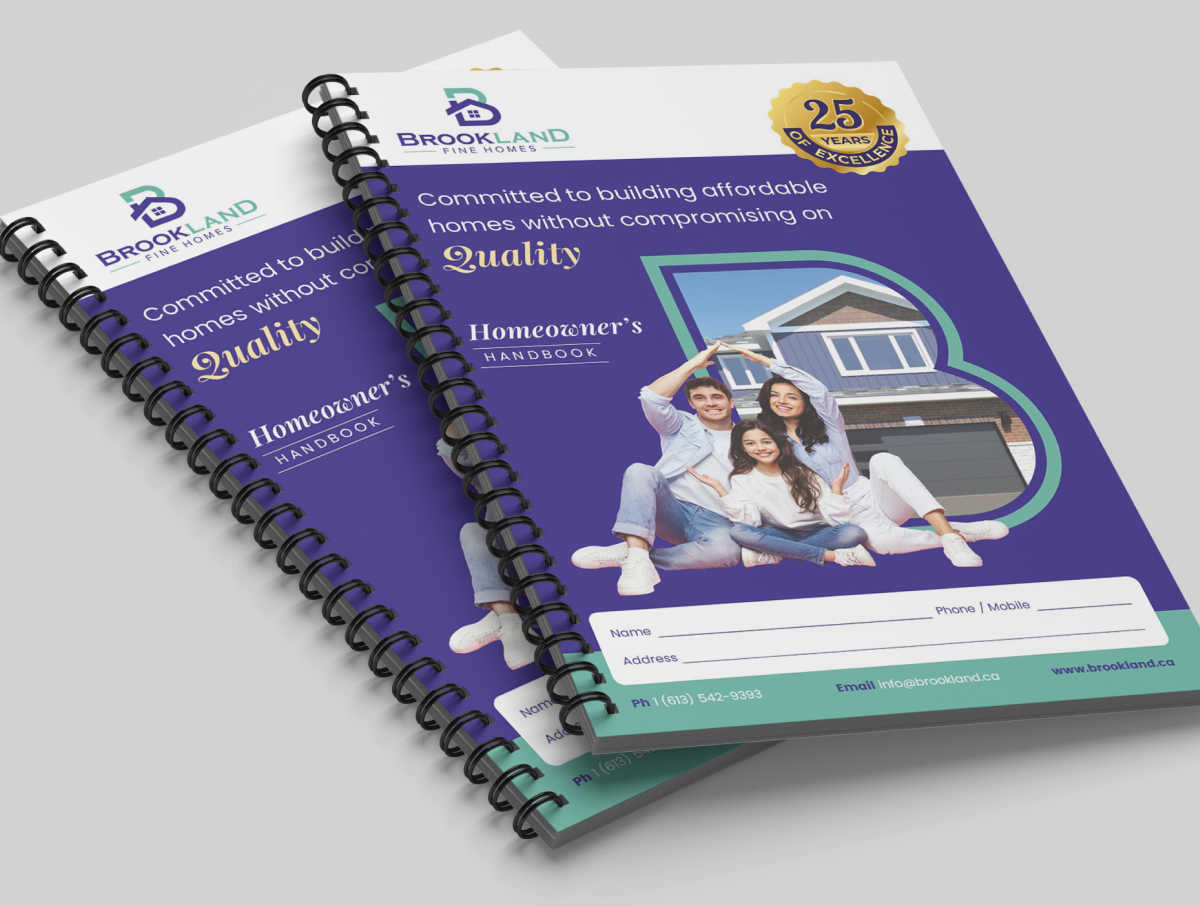
An Example Of Using The Same Colors Across Media Types

Can using the right colors win me sales?
Yes. If your logo, colors, and style are familiar to someone, they’ll choose your brand over a different one they don’t know too well or that looks messy. Compared to them, you’ll win; this happens all the time. You won’t reap the fruits too early, though; it’s a long-term influence on customers that’ll start paying back after a while on the market.
Many business owners don’t think about how their brand’s color palette can control customers’ opinions. Besides decoration, colors are a subconscious signal that touches people’s emotions. For example, the way a room is painted can make people feel whether that space is cozy, fun, silent, loud, etc. This is the same with a product’s packaging, a business website, a logo, etc.
What Is Intentional Design?
Intentional design is the creation of something, whether a physical space, a product, or a digital experience with a deliberate purpose. At Exatech Design we help you make conscious choices for every element to ensure that each part serves a specific function, reflects certain values, and contributes to a desired outcome.
Here are a few core principles of intentional design:
Purpose Over Trend: Instead of following fleeting fads, the focus is on creating something that is timeless and meaningful.
Quality Over Quantity: This approach prioritizes fewer, well-crafted, and durable items over a large number of mass-produced pieces.
Meaningful Choices: Every item or element should have a reason for being there, whether it’s functional, sentimental, or aesthetically significant.
User-Centered: In fields like web or product design, this means deeply understanding the audience and tailoring the design to their needs and preferences to enhance their experience and achieve a specific message or goal.
The goal of intentional design is to create a product that not only looks good but also “feels right” and supports the long-term well-being and goals of its users.
“People don’t buy for logical reasons. They buy for emotional reasons.” — Zig Ziglar, American author, and motivational speaker.
A strong brand color palette also brings consistency. You’ll be a familiar face if your website, marketing materials, and physical location all share the same tones. If a customer spots a brand’s color combination in an ad, they’ll say “wait a sec, was that a Jet2 ad?”
How do I get the best brand color palette for my business?
To get the best brand color palette for your business, work with a designer or agency that will expertly create your brand identity. Get a free consultation from Exatech Design.
Here are a few steps you should expect them to take:
Brand discovery – Define your business values, personality, and the feelings you want customers to have when they see your brand.
Color psychology research – Study how different colors influence emotions and which ones align with your goals.
Audience and culture check – Consider who your customers are and how they react to certain colors based on culture or trends.
Competitor review – Look at what others in your industry are using to avoid blending in or unintentionally copying them.
Mood boards and testing – Explore different color combinations and test them on screens, in print, and in different lighting.
Accessibility check – Make sure your colors have enough contrast so text and visuals remain clear for everyone.
At Exatech Design, we manage all these steps for our clients, combining research, testing, and design expertise to create a palette that is not only visually appealing but also strategic. The result is a set of colors that help your business stand out, connect with your audience, and stay effective over time.